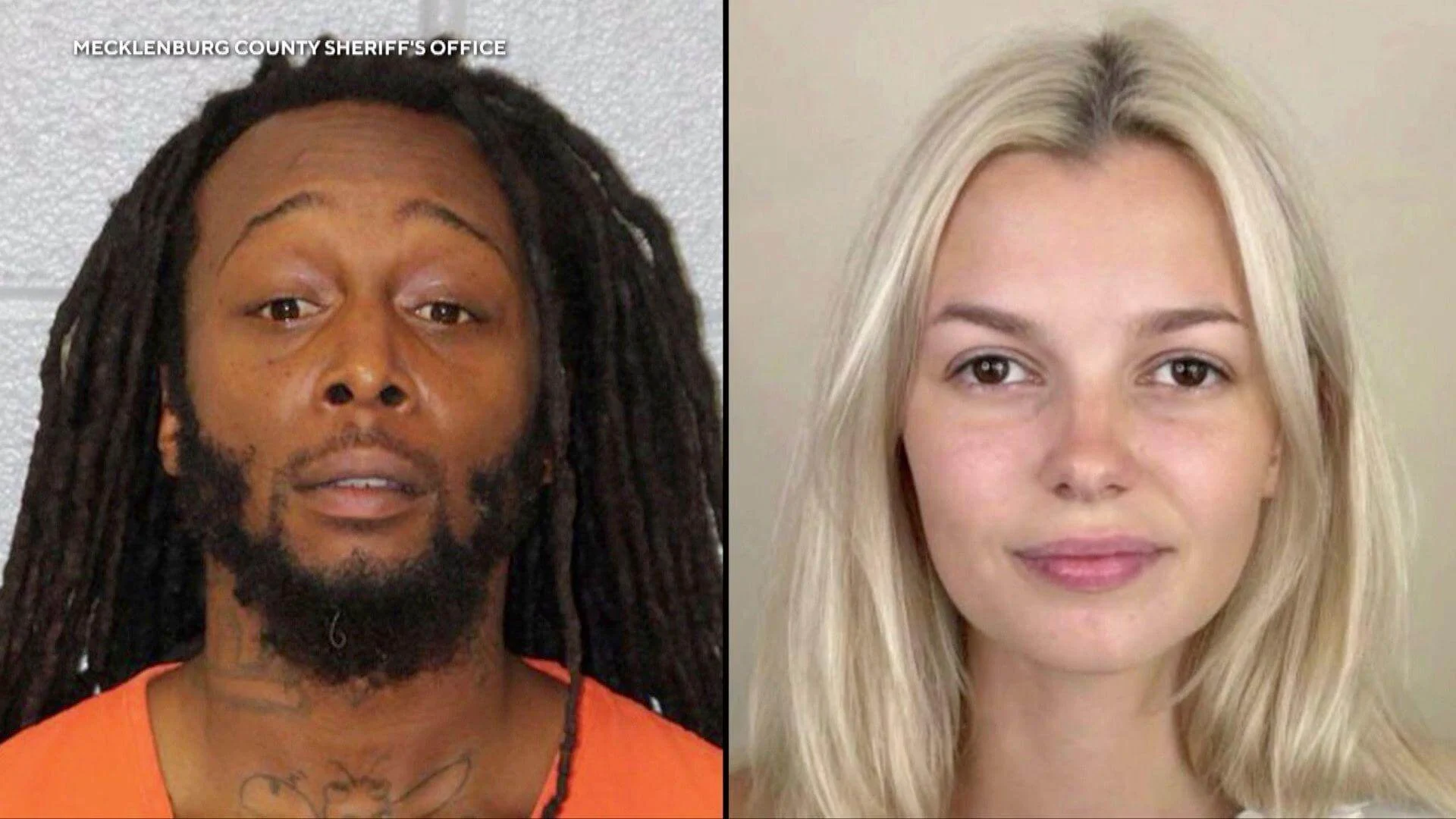
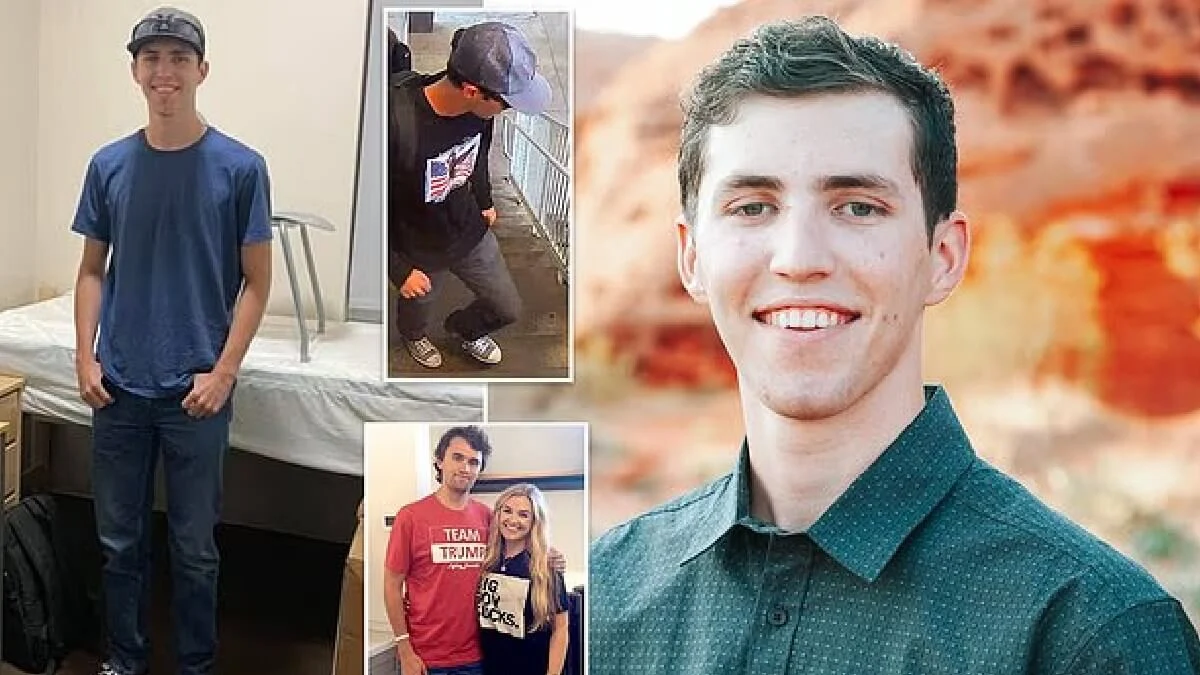
The Tyler Robinson Case has recently dominated headlines, sparking widespread debate and raising serious questions about political violence in America. This incident, involving an alleged assassination attempt on Charlie Kirk, founder of Turning Point USA, has drawn sharp reactions, most notably from former President Donald Trump. Understanding the complexities of the Tyler Robinson Case requires examining the details of the event, the alleged perpetrator’s motives, and the subsequent political fallout.
Table of Contents
The Alleged Charlie Kirk Assassination Attempt: A Timeline
The details surrounding the alleged assassination attempt on Charlie Kirk are still emerging, but a basic timeline of events can be constructed. It’s crucial to remember that these are initial reports, and further investigation may alter the narrative.
- The Incident: News broke of an individual, identified as Tyler Robinson, allegedly confronting Charlie Kirk at a public event. Reports suggest that Robinson made threatening remarks and displayed a weapon, leading to immediate intervention by security personnel.
- Law Enforcement Involvement: Local law enforcement responded swiftly, taking Robinson into custody. An investigation was launched to determine the full extent of the threat and Robinson’s intentions. The details of the weapon involved and its accessibility are key components of this ongoing investigation.
- Initial Reactions: The news spread rapidly across social media and traditional news outlets. Charlie Kirk and Turning Point USA issued statements condemning the alleged attack and calling for unity against political violence. The incident immediately became a flashpoint in the already highly charged political atmosphere.
- Trump’s Response: Former President Donald Trump weighed in on the Tyler Robinson Case, offering his support to Charlie Kirk and condemning the alleged assassination attempt. His statement, amplified through his various media channels, further intensified the political discourse surrounding the incident. The details of Trump’s reaction are analyzed in more depth later in this article.
- Ongoing Investigation: As of the latest reports, the investigation into the Tyler Robinson Case is still active. Law enforcement is gathering evidence, interviewing witnesses, and examining Robinson’s background to determine the full scope of his intentions and any potential connections to larger networks.
Who is Tyler Robinson? Unraveling the Alleged Assailant
Understanding the Tyler Robinson Case necessitates examining the background and potential motives of the alleged perpetrator. While definitive conclusions await the outcome of the investigation, preliminary information offers some insights.
- Identity and Background: Tyler Robinson’s personal details are gradually emerging. Investigating his past, including any prior interactions with law enforcement, his social media presence, and his employment history, is crucial to painting a complete picture.
- Potential Motivations: Determining the Tyler Robinson Motive is a central focus of the investigation. Was the alleged assassination attempt politically motivated? Did Robinson act alone, or was he influenced by others? Exploring these questions requires a thorough analysis of Robinson’s beliefs, affiliations, and any statements he may have made before the incident.
- Mental Health Considerations: It is also important to consider potential mental health factors that may have contributed to Robinson’s actions. A comprehensive psychological evaluation may shed light on his mental state at the time of the alleged assassination attempt.
- Social Media Footprint: Examining Robinson’s social media activity can reveal his political leanings, affiliations, and any expressed animosity towards Charlie Kirk or Turning Point USA. This digital footprint provides valuable clues to understanding his mindset leading up to the incident.
Read also: The Met Gala 2025: The good, the bad, and the should’ve stayed home
Trump’s Reaction to the Tyler Robinson Case: Fueling the Fire?
Donald Trump’s response to the Tyler Robinson Case has been a significant element of the overall narrative. His statements have amplified the political tensions and sparked further debate about the incident’s implications.
- Statement of Support: Trump immediately voiced his support for Charlie Kirk, condemning the alleged assassination attempt and expressing solidarity with Turning Point USA. This message resonated strongly with Trump’s base and further solidified the perception of Kirk as a victim of political violence.
- Condemnation of Political Violence: While condemning the alleged attack, Trump also used the opportunity to criticize what he perceives as a broader trend of political violence targeting conservatives. This framing of the issue has been met with both support and criticism.
- Impact on Political Discourse: Trump’s involvement in the Tyler Robinson Case has undoubtedly heightened the political tensions surrounding the incident. His strong rhetoric and unwavering support for Kirk have further polarized the debate, making it more difficult to have a nuanced and objective discussion about the facts.
- Potential for Misinformation: As with many politically charged events, there is a risk of misinformation and conspiracy theories surrounding the Tyler Robinson Case. Trump’s involvement can inadvertently contribute to the spread of such narratives, making it even more critical to rely on credible sources and factual reporting. The “Trump Tyler Robinson” search term shows the public interest and concern about the former president’s views.
The Political Fallout of the Charlie Kirk Assassination Attempt
The alleged assassination attempt on Charlie Kirk has had far-reaching political consequences, exacerbating existing divisions and raising concerns about the state of American democracy. The “Charlie Kirk Political Fallout” is significant and multi-faceted.
- Increased Polarization: The incident has further polarized the political landscape, with both sides using it to reinforce their existing narratives and demonize their opponents. This heightened polarization makes it more difficult to find common ground and address the underlying issues that contribute to political violence.
- Debate on Gun Control: The alleged use of a weapon in the Tyler Robinson Case has reignited the debate on gun control. Proponents of stricter gun laws argue that the incident highlights the need for more effective measures to prevent dangerous individuals from acquiring firearms, while opponents maintain that such measures would infringe on the rights of law-abiding citizens.
- Impact on Free Speech: Some argue that the alleged assassination attempt represents a threat to free speech, suggesting that individuals who express unpopular opinions are increasingly vulnerable to violence. Others contend that such concerns are overblown and that the focus should be on condemning and preventing violence, regardless of the victim’s political views.
- Calls for Unity: Amidst the division and acrimony, there have also been calls for unity and civility in political discourse. Leaders from both sides of the aisle have urged Americans to reject violence and engage in respectful dialogue, even when they disagree on fundamental issues. However, the effectiveness of these calls for unity remains to be seen.
- Security Concerns: The Charlie Kirk assassination attempt raises significant security concerns for public figures, especially those with outspoken political views. It may lead to increased security measures at public events and greater vigilance in monitoring potential threats.
Examining Tyler Robinson’s Motive: A Deeper Dive
Understanding the Tyler Robinson Motive is paramount to comprehending the Tyler Robinson Case. While definitive answers await the conclusion of the investigation, several potential factors warrant consideration.
- Political Extremism: Robinson’s potential involvement in extremist political ideologies is a key area of inquiry. Did he subscribe to radical beliefs that motivated him to target Charlie Kirk? Examining his online activity and affiliations can shed light on his potential exposure to extremist propaganda.
- Mental Health Issues: As previously mentioned, mental health issues may have played a role in Robinson’s actions. A psychological evaluation can help determine whether he suffered from any mental disorders that may have impaired his judgment or contributed to his violent tendencies.
- Personal Grievances: It is also possible that Robinson harbored personal grievances against Charlie Kirk or Turning Point USA. Did he have a history of conflict with the organization or its members? Exploring his past interactions with Kirk and Turning Point USA can reveal potential sources of animosity.
- Influence of Social Media: The pervasive influence of social media cannot be ignored. Did Robinson encounter content online that radicalized him or incited him to violence? Analyzing his social media activity can provide insights into the potential role of online platforms in shaping his beliefs and actions.
- Socioeconomic Factors: It is also important to consider broader socioeconomic factors that may have contributed to Robinson’s actions. Did he experience economic hardship, social isolation, or other challenges that may have increased his susceptibility to radical ideologies or violent behavior?
The Role of Social Media in the Tyler Robinson Case
Social media has played a significant role in shaping the narrative surrounding the Tyler Robinson Case, both in amplifying the initial reports and in fueling the subsequent political debate.
- Rapid Dissemination of Information: Social media platforms allowed news of the alleged assassination attempt to spread rapidly, reaching a vast audience in a matter of hours. This rapid dissemination of information can be both beneficial and detrimental, as it can quickly raise awareness of important events but also contribute to the spread of misinformation.
- Fueling Political Polarization: Social media algorithms often create echo chambers, reinforcing users’ existing beliefs and exposing them to content that confirms their biases. In the context of the Tyler Robinson Case, this has led to increased political polarization, with each side using social media to demonize the other and promote their own narratives.
- Spread of Misinformation and Conspiracy Theories: Social media platforms are also fertile ground for the spread of misinformation and conspiracy theories. In the aftermath of the alleged assassination attempt, numerous unsubstantiated claims and rumors circulated online, further complicating the task of understanding the facts of the case.
- Calls for Social Media Regulation: The role of social media in the Tyler Robinson Case has reignited calls for greater regulation of online platforms. Proponents of regulation argue that social media companies have a responsibility to prevent the spread of misinformation and hate speech, while opponents maintain that such measures would infringe on free speech.
Addressing Political Violence: A Path Forward
The Tyler Robinson Case serves as a stark reminder of the dangers of political violence and the urgent need to address the underlying factors that contribute to it.
- Promoting Civil Discourse: Encouraging respectful dialogue and finding common ground is crucial to bridging the political divide and reducing the risk of violence. This requires a willingness to listen to opposing viewpoints, engage in constructive debate, and reject inflammatory rhetoric.
- Combating Extremism: Addressing the root causes of extremism is essential to preventing future acts of political violence. This includes tackling online radicalization, promoting tolerance and understanding, and addressing socioeconomic inequalities that may make individuals more susceptible to extremist ideologies.
- Strengthening Mental Health Services: Providing access to mental health services is crucial to identifying and treating individuals who may be at risk of committing violence. This requires increasing funding for mental health programs, reducing the stigma associated with mental illness, and improving early intervention efforts.
- Enhancing Security Measures: Taking steps to enhance security measures at public events and protect public figures can help deter potential attackers and prevent future incidents of political violence. This includes increasing security personnel, implementing stricter screening procedures, and providing training on how to respond to potential threats.
- Holding Perpetrators Accountable: Ensuring that perpetrators of political violence are held accountable for their actions is essential to deterring future incidents. This requires thorough investigations, fair trials, and appropriate sentencing.
The Legal Ramifications of the Tyler Robinson Case
The legal ramifications for Tyler Robinson in this case could be significant, depending on the charges filed and the evidence presented.
- Potential Charges: Robinson could face charges ranging from assault and battery to attempted murder, depending on the specifics of the alleged assassination attempt. The severity of the charges will depend on the extent of the threat he posed and whether he actually used a weapon.
- Legal Defense: Robinson will have the right to legal representation and will likely argue that he did not intend to harm Charlie Kirk or that his actions were not as threatening as they have been portrayed. His defense team may also raise questions about his mental state at the time of the incident.
- Trial and Sentencing: If the case goes to trial, the prosecution will have to prove beyond a reasonable doubt that Robinson committed the alleged crimes. If convicted, he could face a lengthy prison sentence, depending on the severity of the charges and his prior criminal record.
- Impact on Future Cases: The legal outcome of the Tyler Robinson Case could have implications for future cases involving political violence. It could set a precedent for how such cases are prosecuted and sentenced, and it could influence the way law enforcement responds to potential threats against public figures.
The Media’s Role in Reporting the Tyler Robinson Case
The media has played a crucial role in reporting the Tyler Robinson Case, but its coverage has also been subject to criticism and scrutiny.
- Sensationalism: Some critics argue that the media has sensationalized the Tyler Robinson Case, focusing on the most dramatic aspects of the story and exaggerating the potential threat posed by Robinson. This sensationalism can contribute to increased anxiety and fear among the public.
- Bias: The media’s coverage of the Tyler Robinson Case has also been accused of bias, with different news outlets presenting the story from different political perspectives. This bias can make it difficult for the public to get an objective understanding of the facts.
- Responsibility to Report Accurately: The media has a responsibility to report the Tyler Robinson Case accurately and fairly, avoiding speculation and relying on credible sources. This includes providing context and background information, presenting multiple perspectives, and correcting any errors promptly.
- Impact on Public Opinion: The media’s coverage of the Tyler Robinson Case can have a significant impact on public opinion, shaping how people view the incident and influencing their attitudes towards political violence. It is therefore essential that the media exercise its power responsibly.
The Long-Term Implications of the Tyler Robinson Case
The Tyler Robinson Case is likely to have long-term implications for American politics and society.
- Erosion of Trust: The incident could further erode trust in government and other institutions, as people become more cynical and suspicious of those in power.
- Increased Security Measures: The Charlie Kirk Assassination attempt will almost certainly lead to increased security measures at public events and heightened vigilance in monitoring potential threats. This could have a chilling effect on free speech and public assembly.
- Normalization of Political Violence: There is a risk that the Tyler Robinson Case could contribute to the normalization of political violence, as people become desensitized to acts of aggression and intimidation.
- Need for Healing and Reconciliation: Overcoming the long-term implications of the Tyler Robinson Case will require a concerted effort to promote healing and reconciliation, bridge the political divide, and reaffirm the values of democracy and civility.
The Psychology of Political Violence: Understanding the Roots
To truly understand cases like the Tyler Robinson Case, it’s essential to delve into the psychology of political violence. What motivates individuals to engage in such extreme acts?
- Dehumanization: A key psychological mechanism is dehumanization, where individuals or groups are stripped of their humanity, making it easier to justify violence against them. This can be fueled by propaganda, extremist ideologies, and social isolation.
- Groupthink: Groupthink, the desire for harmony within a group leading to irrational or dysfunctional decision-making, can also play a role. In extremist groups, dissenting voices are often silenced, reinforcing radical beliefs and normalizing violence.
- Frustration-Aggression Hypothesis: The frustration-aggression hypothesis suggests that frustration, often stemming from socioeconomic hardship or political grievances, can lead to aggression. When individuals feel powerless or marginalized, they may resort to violence as a means of expressing their anger and frustration.
- Sense of Injustice: A perceived sense of injustice, often amplified by social media and biased news sources, can also contribute to political violence. When individuals believe that they or their group have been wronged, they may feel justified in taking matters into their own hands.
Turning Point USA and the Aftermath of the Incident
The Tyler Robinson Case has had a significant impact on Turning Point USA, the organization founded by Charlie Kirk.
- Increased Visibility: The incident has undoubtedly raised the profile of Turning Point USA, both among its supporters and its detractors. This increased visibility can be both a blessing and a curse, as it can attract new followers but also make the organization a target for criticism and attacks.
- Security Concerns: The alleged assassination attempt has raised serious security concerns for Turning Point USA and its members. The organization may need to invest in additional security measures to protect its events and personnel.
- Impact on Recruitment: The Tyler Robinson Case could have a mixed impact on Turning Point USA’s recruitment efforts. Some potential recruits may be drawn to the organization out of sympathy for Charlie Kirk and a desire to support his cause, while others may be deterred by the violence and the controversy surrounding the group.
- Fundraising Opportunities: The incident could also provide Turning Point USA with fundraising opportunities, as supporters rally to support the organization in the wake of the alleged attack.
The Importance of Critical Thinking in the Age of Misinformation
In the age of misinformation and social media echo chambers, critical thinking is more important than ever. To avoid being misled by biased or inaccurate information, it’s essential to:
- Question Everything: Don’t take information at face value. Question the source, the author’s motives, and the evidence presented.
- Seek Multiple Perspectives: Don’t rely on a single source of information. Seek out multiple perspectives from different news outlets and sources.
- Be Aware of Bias: Be aware of your own biases and how they may influence your interpretation of information.
- Check Your Emotions: Don’t let your emotions cloud your judgment. Take a step back and analyze the information objectively.
- Fact-Check: Use fact-checking websites and resources to verify the accuracy of information.
The Role of Education in Preventing Political Violence
Education plays a vital role in preventing political violence by promoting critical thinking, tolerance, and understanding.
- Civics Education: Civics education teaches students about the principles of democracy, the importance of civic engagement, and the role of government in society.
- Media Literacy: Media literacy education helps students develop the skills to critically evaluate information from various sources, including social media.
- History Education: History education teaches students about the past, including the causes and consequences of political violence, and helps them understand the importance of learning from history.
- Social-Emotional Learning: Social-emotional learning teaches students about empathy, communication, and conflict resolution, helping them develop the skills to navigate difficult conversations and resolve disputes peacefully.
A Summary of the Key Issues in the Tyler Robinson Case
The Tyler Robinson Case is a complex and multifaceted issue with far-reaching implications. To recap the key issues:
- The Alleged Assassination Attempt: The incident involved an alleged assassination attempt on Charlie Kirk, founder of Turning Point USA.
- Tyler Robinson’s Motive: Determining the motive of the alleged assailant is a central focus of the investigation. The Tyler Robinson Motive could be political, personal, or related to mental health issues.
- Trump’s Reaction: Donald Trump’s reaction to the incident has amplified the political tensions and sparked further debate. The “Trump Tyler Robinson” search term is evidence of the public interest.
- Political Fallout: The incident has had significant political fallout, exacerbating existing divisions and raising concerns about the state of American democracy. The “Charlie Kirk Political Fallout” is complex and multifaceted.
- Social Media’s Role: Social media has played a significant role in shaping the narrative surrounding the incident, both in amplifying the initial reports and in fueling the subsequent political debate.
- Need for Solutions: Addressing political violence requires promoting civil discourse, combating extremism, strengthening mental health services, enhancing security measures, and holding perpetrators accountable.
Conclusion: Reflecting on the Tyler Robinson Case and the Future of Political Discourse
The Tyler Robinson Case serves as a sobering reminder of the challenges facing American democracy. The alleged assassination attempt on Charlie Kirk and the subsequent political fallout highlight the dangers of political violence, the corrosive effects of misinformation, and the urgent need for greater civility and understanding in political discourse. Moving forward, it is essential to promote critical thinking, combat extremism, and address the underlying factors that contribute to political violence. Only by working together can we create a more peaceful and just society. The “Tyler Robinson Case” is a microcosm of broader issues plaguing our nation, demanding careful consideration and proactive solutions. The incident underscores the fragile nature of political discourse and the urgent need to protect the safety and security of all individuals, regardless of their political beliefs.