
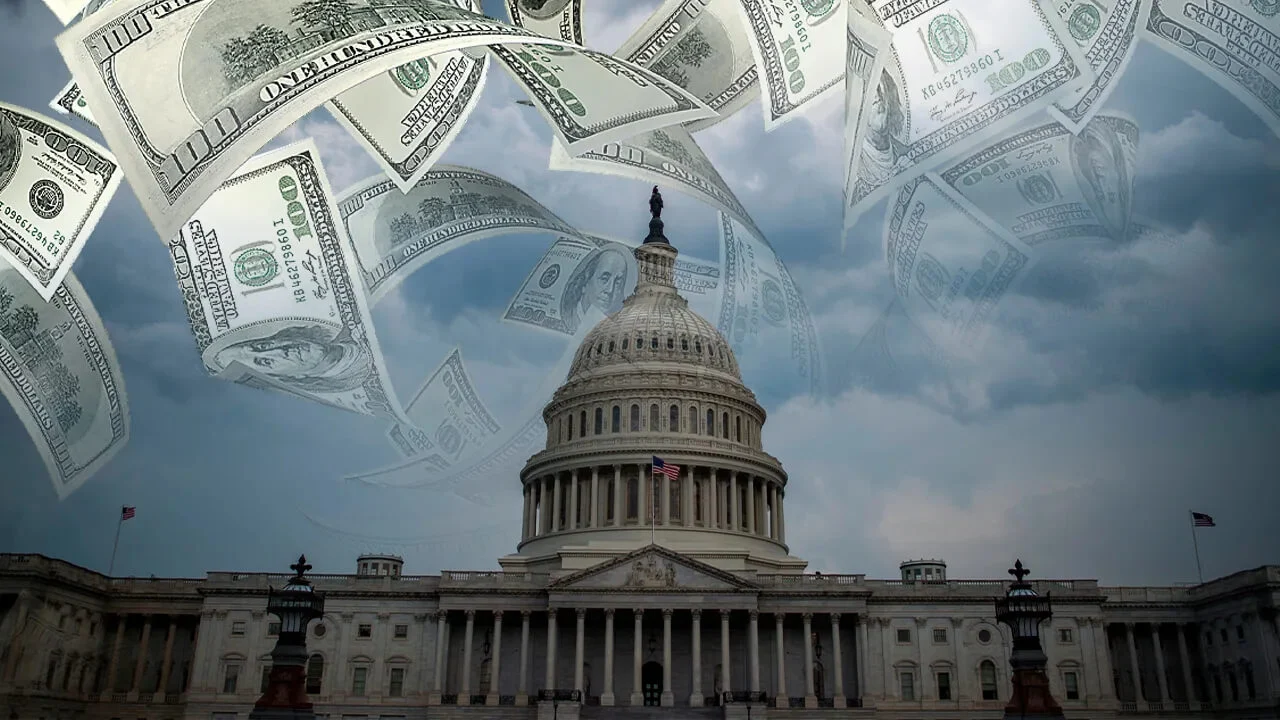
The specter of a Government Shutdown looms large over the United States, with increasing concerns that 2025 could bring an unprecedented period of instability and economic hardship. As political divisions deepen and budget negotiations grow more contentious, the nation faces the very real possibility of federal operations grinding to a halt, leading to widespread furloughs and, alarmingly, fears of unprecedented layoffs. For millions of federal employees, their families, and the broader American economy, understanding the potential ramifications of such an event is not just a matter of news; it’s a critical preparation for an uncertain future.
Table of Contents
Understanding the Mechanics of a Government Shutdown
Before delving into the specific fears surrounding 2025, it’s crucial to grasp what a Government Shutdown entails. In the simplest terms, it occurs when Congress fails to pass legislation appropriating funds for the upcoming fiscal year, or when the President vetoes such legislation, before the existing funding expires. Without approved funding, non-essential government agencies and services must cease operations.
This isn’t a new phenomenon in American politics. The country has experienced numerous shutdowns of varying lengths and impacts throughout its history. Each time, the underlying cause typically stems from a profound disagreement between the legislative and executive branches over spending priorities, policy riders, or the national debt ceiling. When a budget impasse cannot be resolved, the federal government effectively runs out of money to operate many of its functions.
During a shutdown, essential services – such as national security, law enforcement, and emergency medical care – typically continue, albeit often with reduced staffing. However, a vast array of other government functions, from processing tax returns and issuing passports to scientific research and national park operations, come to a screeching halt. Federal employees deemed “non-essential” are furloughed, meaning they are sent home without pay, often with the promise of retroactive pay once the government reopens. This distinction between “essential” and “non-essential” is often a source of contention and confusion during these periods.
Historical Context: Lessons from Past Shutdowns
The U.S. has weathered multiple shutdowns, each leaving its mark. Notable examples include:
- 1995-1996 Shutdowns: Two separate shutdowns, totaling 27 days, primarily over budget disagreements between President Bill Clinton and a Republican-controlled Congress. This period saw significant disruptions to government services and public frustration.
- 2013 Shutdown: A 16-day shutdown largely driven by attempts to defund the Affordable Care Act. Hundreds of thousands of federal employees were furloughed, and the economic impact was estimated in the billions of dollars.
- 2018-2019 Shutdown: The longest in U.S. history, lasting 35 days, over funding for a border wall. Approximately 800,000 federal employees were either furloughed or worked without pay. The protracted nature of this shutdown brought immense financial strain to many families and widespread public outcry.
While past shutdowns have resulted in furloughs, the discussion around 2025 introduces a more dire prospect: actual layoffs. This distinction is critical and signals a potentially more severe and lasting impact on the federal workforce and, by extension, the national economy.
The Looming Threat of a 2025 Government Shutdown
Why is 2025 being singled out as a year of particular concern for a potential Government Shutdown? A confluence of political, economic, and social factors suggests that the risk of a protracted budget battle resulting in significant disruptions is higher than in recent memory. The political landscape is increasingly polarized, with less willingness for bipartisan compromise on fiscal matters. The narrow margins in Congress, regardless of which party holds power, often lead to legislative gridlock, where a small faction can effectively halt government funding.
Adding to this complexity is the persistent issue of the national debt and the debt ceiling. While technically distinct from the annual appropriations process, debates over the national debt often become intertwined with budget negotiations, raising the stakes considerably. Should the U.S. approach its borrowing limit again without a resolution, it could trigger a default that would have catastrophic global economic consequences, making the prospect of a shutdown seem almost secondary by comparison, yet still a very real danger.
Furthermore, the current economic climate, characterized by inflation, rising interest rates, and global instability, means that any disruption to government operations would likely have a magnified impact. Businesses and consumers are already navigating a challenging environment, and the added uncertainty of a shutdown could push many over the edge. Experts and analysts from various financial institutions and think tanks are sounding the alarm, pointing to a potential perfect storm of political intransigence and economic vulnerability.
Read also: Iryna Zarutska Murder: Ukrainian Refugee Death on US Train Ignites Political Firestorm
Factors Contributing to Heightened Risk in 2025
- Political Polarization: The widening ideological gap between the major parties makes consensus building incredibly difficult.
- Election Year Aftermath: The outcome of the 2024 elections could lead to a divided government, intensifying budget disputes as each side seeks to assert its mandate.
- High Stakes Policy Debates: Beyond mere spending levels, deep disagreements on social programs, defense spending, climate initiatives, and regulatory frameworks could become non-negotiable points.
- Debt Ceiling Weaponization: The debt ceiling, historically a routine procedural vote, has become a political bargaining chip, increasing the risk of a financial crisis alongside a shutdown.
- Budget Caps and Austerity Demands: Pressure to reduce spending and address the national debt could lead to demands for cuts that are unacceptable to one or both parties, creating an impasse.
These elements combined paint a grim picture, suggesting that the traditional playbook of last-minute deals might not be sufficient to avert a crisis in 2025. The stakes are perceived as higher, and the willingness to compromise appears to be lower.
Unprecedented Layoffs: A Deeper Dive into the Fear
The most alarming aspect of the 2025 Government Shutdown forecasts is the potential for “unprecedented layoffs.” This goes beyond the familiar concept of furloughs. Furloughs are temporary, unpaid leaves of absence, with employees typically receiving back pay once the government reopens. Layoffs, however, imply a permanent termination of employment. Why would this distinction become relevant now?
Several scenarios could lead to actual layoffs:
- Prolonged Shutdown: If a shutdown were to extend for an exceptionally long period, potentially months, agencies might exhaust their ability to retain staff even in a non-furlough status. The sheer cost and administrative burden of maintaining a furloughed workforce indefinitely could force difficult decisions.
- Budget Cuts Post-Shutdown: To resolve a prolonged impasse, Congress might agree to severe, permanent budget cuts that necessitate a reduction in the federal workforce. This isn’t just a temporary measure but a structural downsizing.
- Agency Restructuring: A political agreement to end a shutdown might involve fundamental changes to certain agencies or programs, leading to the elimination of positions.
- Contractor Workforce Impact: A significant portion of federal work is performed by contractors. These individuals are often the first to feel the pinch during a shutdown, as their contracts can be paused or terminated without the same protections afforded to direct federal employees. A long shutdown could lead to permanent loss of contracts and thus, layoffs for these workers.
The direct impact would be felt most acutely by federal employees – the men and women who serve in various capacities, from scientists and engineers to administrative staff and law enforcement officers. Beyond direct employees, the ripple effect extends to a vast network of government contractors, small businesses that rely on federal contracts, and local economies surrounding federal installations.
Economic Ripple Effects: Beyond the Beltway
The notion of “unprecedented layoffs” during a Government Shutdown would send shockwaves far beyond Washington D.C. The economic impact would be multifaceted:
- Reduced Consumer Spending: Thousands, potentially millions, of individuals losing their income (either temporarily or permanently) would drastically cut back on spending, hurting retail, hospitality, and other service industries.
- Housing Market Instability: Federal employees often live in areas with high costs of living. Prolonged loss of income or job loss could lead to mortgage defaults and rental crises.
- Small Business Collapse: Many small businesses rely on federal contracts or the economic activity generated by federal employees. A shutdown, especially one involving layoffs, could wipe out these businesses.
- Supply Chain Disruptions: Government agencies are significant purchasers of goods and services. A halt in purchasing would impact numerous industries.
- Damage to Credit Ratings: Individuals facing furloughs or layoffs might struggle to pay bills, leading to damaged credit scores and long-term financial hardship.
The cumulative effect could be a significant drag on the national GDP, potentially tipping a fragile economy into recession.
Read also: US government lurches toward shutdown, Trump threatens fresh cuts
Impact on Federal Employees and Their Families
For the nearly two million federal employees and their families, the threat of a Government Shutdown, particularly one involving layoffs, is a source of immense stress and uncertainty. While furloughs are financially challenging, the prospect of permanent job loss introduces a new level of anxiety and long-term consequences.
During past shutdowns, federal workers have faced significant financial strain, struggling to pay mortgages, rent, utilities, and even buy groceries. Many resorted to applying for unemployment benefits, taking out high-interest loans, or dipping into retirement savings. The mental health toll is also significant, with increased stress, anxiety, and feelings of helplessness. The 2018-2019 shutdown, for example, saw numerous stories of federal workers taking on temporary jobs, selling possessions, or relying on food banks.
The fear of layoffs adds a layer of existential dread. Unlike furloughs, where back pay is eventually expected, a layoff means an immediate and permanent cessation of income, with the daunting task of finding new employment in a potentially saturated job market. This could lead to:
- Long-Term Financial Instability: Exhaustion of savings, accumulation of debt, and difficulty recovering lost income.
- Career Disruption: Highly specialized federal employees might struggle to find comparable roles in the private sector, leading to underemployment or career changes.
- Brain Drain: The best and brightest might opt to leave federal service permanently for more stable private sector opportunities, weakening the government’s capacity and expertise.
- Erosion of Trust and Morale: Repeated shutdowns and the threat of layoffs severely damage morale within the federal workforce, making it harder to attract and retain talent in the future.
The human cost of political brinkmanship is often overlooked in the headlines, but for federal families, it’s a very real and often devastating experience.
Broader Economic Repercussions and Government Services
Beyond the direct impact on federal employees, a 2025 Government Shutdown with layoffs would have profound and far-reaching economic repercussions across various sectors and significantly impair government services that underpin daily life and national security.
Consider the myriad services provided by the federal government:
- National Parks and Museums: Closures impact tourism, local businesses, and cultural access.
- IRS Operations: Delays in tax refunds, audits, and vital financial services for individuals and businesses.
- Scientific Research: Halting critical research projects in health, environment, and defense, with long-term consequences for innovation and public safety.
- Food Safety and Inspections: Reduced oversight of food production could pose public health risks.
- Loan Processing: Delays in federal student aid, small business loans, and housing assistance.
- Veterans’ Services: While some critical services continue, many administrative functions and benefits processing can be delayed, directly impacting those who have served the nation.
The cumulative effect of these disruptions is a slowdown in economic activity, a dip in consumer and business confidence, and a potential loss of international credibility for the United States. A government that cannot reliably fund its own operations projects an image of instability, which can deter foreign investment and weaken diplomatic standing. The global markets react negatively to U.S. political instability, potentially leading to increased borrowing costs and market volatility.
Furthermore, a shutdown with layoffs could permanently diminish the capacity of government agencies. Losing experienced personnel means a loss of institutional knowledge, expertise, and efficiency, which cannot be easily replaced. Rebuilding these capabilities takes time and significant resources, potentially hindering the government’s ability to respond to future crises, whether natural disasters, economic downturns, or national security threats.
Mitigation Strategies and Preparedness
Given the severe potential consequences, what can be done to mitigate the risks of a 2025 Government Shutdown and prepare for its impacts?
For Federal Employees and Their Families:
- Emergency Savings: Building an emergency fund sufficient to cover several months of expenses is paramount.
- Understand Rights: Familiarize yourself with agency policies regarding furloughs, essential vs. non-essential status, and unemployment benefits.
- Create a Budget: Identify essential expenses and areas where spending can be cut if income ceases.
- Explore Alternative Income: Consider side gigs or temporary work if a shutdown appears imminent.
- Communicate with Creditors: Proactively reach out to banks, landlords, and utility companies to discuss potential payment arrangements.
- Seek Support: Utilize employee assistance programs, union resources, and community support networks.
For Businesses and Communities:
- Contingency Planning: Businesses reliant on federal contracts should develop contingency plans, including diversifying client bases and building financial reserves.
- Advocacy: Engage with elected officials to express concerns about the economic impact of shutdowns.
- Community Support: Local governments and non-profits can prepare to offer assistance to affected federal families.
For Policymakers:
Ultimately, the responsibility rests with Congress and the Executive Branch to prevent a shutdown. This requires:
- Bipartisan Compromise: A willingness to negotiate in good faith and prioritize the nation’s stability over partisan politics.
- Long-Term Budget Planning: Moving away from last-minute, short-term funding measures towards comprehensive, multi-year budget agreements.
- Separating Appropriations from Policy Debates: While policy is important, using funding bills as leverage for unrelated political demands often leads to impasses.
- Protecting the Debt Ceiling: Treating the debt ceiling as a non-negotiable obligation rather than a political tool.
Public awareness and sustained pressure from constituents can also play a vital role in encouraging lawmakers to find common ground and avoid a crisis.
Historical Precedents and Lessons Learned
Looking back at previous Government Shutdown events, several patterns and lessons emerge. First, shutdowns rarely achieve their stated political goals. While one side might temporarily gain leverage, the public backlash and economic damage often outweigh any perceived victory. Second, the cost of a shutdown, both economic and in terms of public trust, is immense. The Congressional Budget Office (CBO) estimated that the 2018-2019 shutdown reduced GDP by $11 billion, with only $3 billion recovered later. The remaining $8 billion was a permanent loss.
Third, the impact is never uniform. Some agencies and communities are hit harder than others. Those with a high concentration of federal workers or businesses heavily dependent on federal contracts experience disproportionate pain. Fourth, the recovery period is not instantaneous. Even after a shutdown ends, it takes time for agencies to resume full operations, catch up on backlogs, and for affected individuals to stabilize their finances.
Perhaps the most critical lesson is that these events are preventable. They are not acts of nature but consequences of political choices. The recurring nature of shutdown threats suggests a systemic failure in the budget process and a need for greater institutional commitment to fiscal responsibility and collaborative governance. The fear of unprecedented layoffs in 2025 should serve as a stark warning that the stakes are rising, and the consequences of political gridlock are becoming increasingly severe.
Conclusion: A Call for Stability and Foresight
The prospect of a Government Shutdown in 2025, particularly one that could lead to unprecedented layoffs, presents a grave challenge to the stability of the United States. It’s a scenario that threatens to inflict deep financial pain on federal employees and their families, cripple vital government services, and send detrimental ripple effects throughout the national and even global economy. The confluence of heightened political polarization, persistent budget impasses, and the weaponization of the debt ceiling creates a volatile environment where the risk of such an event is alarmingly high.
While individuals and businesses can take steps to prepare, the ultimate responsibility lies with elected officials to prioritize the nation’s well-being over partisan squabbles. The lessons from past shutdowns are clear: they are costly, disruptive, and ultimately counterproductive. The fear of mass layoffs underscores that the stakes are higher than ever, demanding a level of foresight, compromise, and statesmanship that has, at times, been conspicuously absent from the political discourse. As 2025 approaches, the call for stability, cooperation, and a functional government becomes not just a political plea, but an urgent economic imperative.