
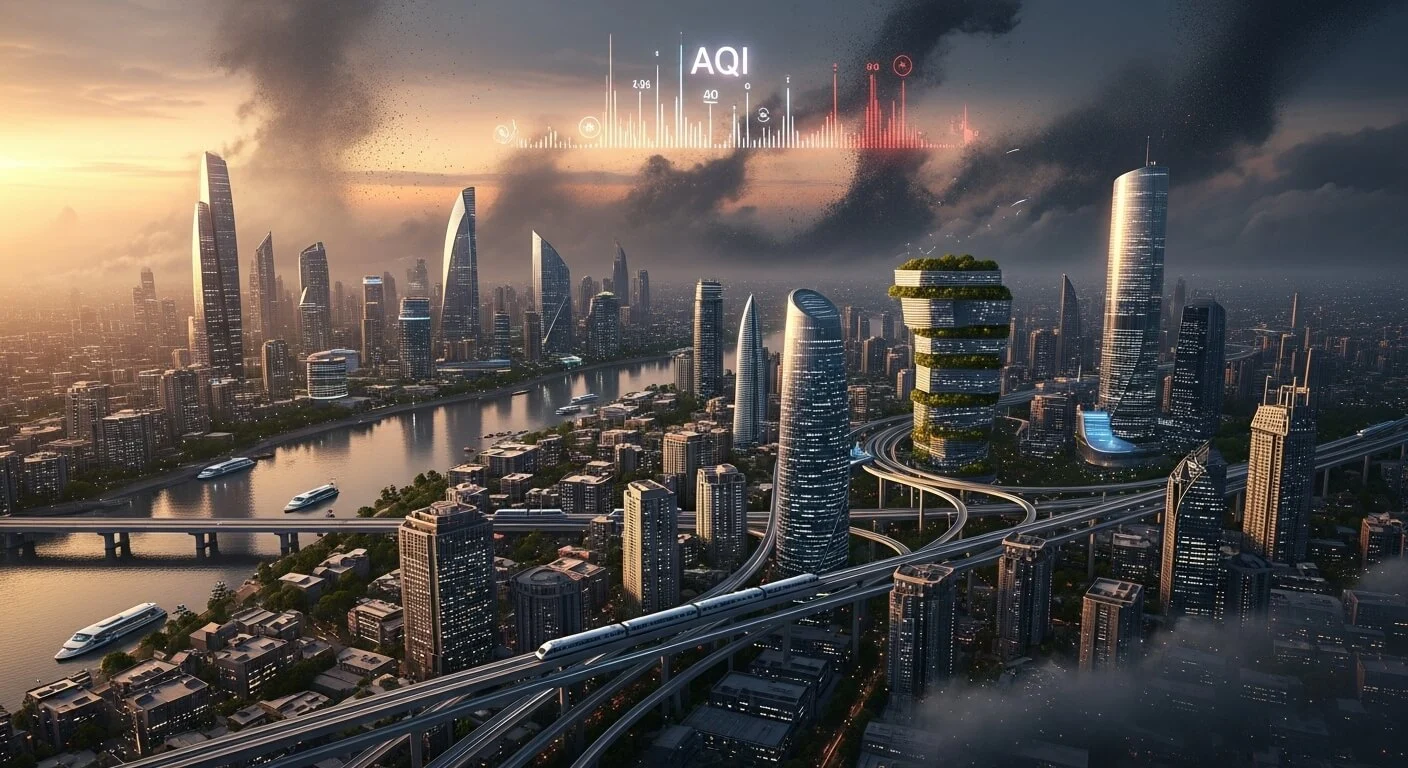
The air we breathe is fundamental to our health and well-being, yet for millions residing in the National Capital Region, clean air has become a luxury. The Delhi NCR Pollution Crisis is not merely a seasonal phenomenon; it’s a persistent challenge that impacts daily life, health, and the very fabric of our communities. From hazy skies to a palpable sense of unease, the consequences of poor air quality are far-reaching. This comprehensive guide aims to demystify the complexities of air pollution in Delhi NCR, helping you understand what today’s Air Quality Index (AQI) truly means, the underlying causes of this chronic issue, and, most importantly, actionable steps you can take to protect yourself and contribute to a healthier environment. We’ll delve into the science, the impact, and the solutions, empowering you with the knowledge needed to navigate this critical environmental challenge.
Understanding the Delhi NCR Pollution Crisis: The Basics
To effectively address the Delhi NCR Pollution Crisis, it’s crucial to grasp the fundamental concepts behind air quality measurement and the pollutants that pose the greatest threat. The crisis is characterized by alarmingly high concentrations of harmful substances in the atmosphere, often reaching hazardous levels during specific periods.
What is AQI (Air Quality Index)?
The Air Quality Index (AQI) is a simple, standardized tool used by government agencies to communicate how polluted the air currently is or how polluted it is forecast to become. It converts complex air quality data into a single number and color-coded scale that corresponds to different levels of health concern. A higher AQI value indicates a greater level of air pollution and a greater health risk. For instance, an AQI of 0-50 is considered ‘Good,’ while anything above 300 is ‘Hazardous.’ Understanding this scale is your first step in interpreting the daily air quality reports for Delhi NCR. It helps individuals make informed decisions about their daily activities, especially during peak pollution events. [Authoritative external source about AQI explanation]
Key Pollutants and Their Sources
While many substances contribute to air pollution, a few stand out as primary culprits in the Delhi NCR Pollution Crisis. These include:
- Particulate Matter (PM2.5 and PM10): These are tiny solid or liquid particles suspended in the air. PM2.5, with a diameter of less than 2.5 micrometers, is particularly dangerous because its small size allows it to penetrate deep into the lungs and even enter the bloodstream. Sources include vehicle exhaust, industrial emissions, dust from construction, burning of biomass, and agricultural burning.
- Nitrogen Dioxide (NO2): Primarily produced from the burning of fossil fuels, especially from vehicle engines and power plants. It contributes to the formation of smog and acid rain.
- Sulfur Dioxide (SO2): Emitted largely by the burning of fossil fuels (coal and oil) by power plants and industrial facilities. It can cause respiratory problems and contribute to acid rain.
- Ozone (O3): Ground-level ozone is a harmful air pollutant formed when nitrogen oxides (NOx) and volatile organic compounds (VOCs) react in the presence of sunlight. It’s a major component of smog and can cause respiratory issues.
- Carbon Monoxide (CO): A colorless, odorless, and poisonous gas produced by the incomplete burning of carbon-containing fuels. Vehicular emissions are a major source.
The interplay of these pollutants, often exacerbated by specific meteorological conditions, creates the toxic cocktail that defines the region’s air quality challenges.
Health Impacts of Poor AQI
The health consequences of prolonged exposure to high levels of air pollution are severe and well-documented. The Delhi NCR Pollution Crisis directly impacts the health of millions across all age groups. Short-term effects can include:
- Irritation of the eyes, nose, and throat
- Coughing, wheezing, and shortness of breath
- Aggravation of asthma and other respiratory conditions
- Heart palpitations and chest pain
Long-term exposure, however, can lead to more chronic and debilitating health issues:
- Respiratory diseases: Chronic bronchitis, emphysema, and increased risk of lung cancer.
- Cardiovascular diseases: Heart attacks, strokes, and high blood pressure due to inflammation and damage to blood vessels.
- Neurological impacts: Emerging research suggests links to cognitive decline, dementia, and developmental issues in children.
- Reduced lung function: Especially in children, leading to lifelong respiratory problems.
- Increased mortality rates: Studies consistently show a correlation between high pollution levels and premature deaths.
Vulnerable populations, including children, the elderly, pregnant women, and individuals with pre-existing health conditions, are particularly susceptible to these adverse effects. Protecting oneself becomes paramount in such an environment.
Today’s AQI: How to Monitor and Interpret
Staying informed about the current air quality is a vital first step in managing your exposure to the Delhi NCR Pollution Crisis. With numerous sources available, knowing where to look and how to interpret the data can make a significant difference in your daily planning.
Reliable Sources for AQI Data
In the age of information, numerous platforms provide real-time AQI data. However, it’s essential to rely on credible and official sources for accurate information. Key reliable sources for monitoring air quality in Delhi NCR include:
- Central Pollution Control Board (CPCB) website and app: The official government body provides real-time data from monitoring stations across the country, including Delhi NCR.
- SAFAR-India (System of Air Quality and Weather Forecasting And Research): An initiative of the Ministry of Earth Sciences, SAFAR provides location-specific AQI forecasts and health advisories.
- Air quality monitoring apps: Reputable third-party apps like IQAir, AirVisual, and BreezoMeter often aggregate data from official sources and offer user-friendly interfaces with historical data and forecasts.
- Local news channels and weather reports: Many media outlets now include daily AQI updates as part of their weather forecasts, especially during peak pollution seasons.
Always cross-reference data when possible, especially if you notice significant discrepancies, to ensure you’re getting the most accurate picture of the air quality around you.
Understanding AQI Categories and Health Advisories
The AQI is typically presented on a color-coded scale, each color representing a different level of health concern. Familiarizing yourself with these categories is crucial for making informed decisions:
- Good (0-50): Green – Air quality is satisfactory, and air pollution poses little or no risk.
- Satisfactory (51-100): Light Green – Air quality is acceptable; however, some pollutants may pose a moderate health concern for a very small number of unusually sensitive people.
- Moderate (101-200): Yellow – Air quality is acceptable. However, there may be a moderate health concern for a small number of people who are unusually sensitive to air pollution.
- Poor (201-300): Orange – Air quality is unhealthy for sensitive groups. People with heart and lung disease, older adults, and children should reduce prolonged or heavy exertion.
- Very Poor (301-400): Red – Air quality is unhealthy for everyone. Sensitive groups should avoid all outdoor physical activity. Everyone else should avoid prolonged or heavy exertion.
- Severe (401-500): Dark Red/Maroon – Air quality is very unhealthy. All people should avoid all outdoor physical activity.
- Hazardous (>500): Maroon/Black – Air quality is extremely unhealthy and poses an immediate and significant risk to the entire population. Emergency conditions.
Each category comes with specific health advisories, guiding you on whether to limit outdoor activities, wear a mask, or take other protective measures. Paying close attention to these advisories is vital during the Delhi NCR Pollution Crisis.
Decoding the Numbers: What They Mean for You
Beyond the color codes, understanding the specific pollutant levels can provide deeper insight. For instance, an AQI of 350 might be driven predominantly by PM2.5, which has distinct health implications compared to, say, high ozone levels. While the overall AQI gives a general picture, many apps and websites allow you to drill down into the concentrations of individual pollutants like PM2.5, PM10, NOx, and SO2. This detailed information can be particularly useful for individuals with specific health conditions (e.g., asthma sufferers may be more sensitive to PM2.5 and ozone). Knowing these numbers helps you tailor your protective measures more precisely, adapting to the nuances of the air quality Delhi faces on any given day.
Read also: Bill Gates in Kyunki Saas Bhi Kabhi Bahu Thi 2: The Crossover Nobody Expected
Causes of the Delhi NCR Pollution Crisis
The Delhi NCR Pollution Crisis is not attributable to a single factor but rather a complex interplay of geographical, meteorological, and anthropogenic (human-caused) elements. Understanding these root causes is essential for devising effective, long-term solutions.
Stubble Burning
A significant contributor to the severe air pollution during the post-monsoon months (October-November) is stubble burning. Farmers in Punjab, Haryana, and Uttar Pradesh traditionally burn crop residue after harvesting paddy to clear fields quickly for the next crop. This practice releases vast plumes of smoke, soot, and particulate matter that travel with prevailing winds towards Delhi NCR, drastically worsening the air quality. While efforts are being made to promote alternatives like in-situ crop residue management and machinery, the scale of the problem remains immense.
Vehicular Emissions
With an ever-increasing number of vehicles on the roads, vehicular emissions are a perennial and major source of air pollution in Delhi NCR. Cars, buses, trucks, and two-wheelers release a cocktail of pollutants including PM2.5, NOx, CO, and VOCs. Factors contributing to this include:
- Aging vehicle fleet: Older vehicles often have less efficient emission control systems.
- Traffic congestion: Idling engines and stop-and-go traffic increase emissions.
- Poor fuel quality: Though improving, fuel quality can still contribute to higher emissions.
- Lack of adequate public transport: While improving, it still forces a reliance on private vehicles for many.
Government initiatives like the Odd-Even scheme and stricter emission norms (BS-VI) aim to mitigate this, but the sheer volume of vehicles continues to be a challenge for air quality Delhi.
Industrial Pollution
The industrial belt surrounding Delhi NCR, particularly in areas like Ghaziabad, Faridabad, and Gurugram, contributes significantly to the region’s air pollution. Industries such as brick kilns, power plants, and manufacturing units often release untreated smoke and particulate matter into the atmosphere. Despite regulations, enforcement can be a challenge, leading to non-compliance and continued emissions of harmful gases and fine particles. The shift towards cleaner technologies and stricter monitoring is critical to curbing this source.
Construction Dust
Delhi NCR is a rapidly developing region, with construction activities constantly underway. From large infrastructure projects to individual building constructions, these sites generate enormous amounts of dust and particulate matter. Improper containment measures, lack of adequate water sprinkling, and non-adherence to environmental guidelines exacerbate this problem. This dust, once airborne, becomes a significant component of PM10 and PM2.5, contributing heavily to the overall deterioration of air quality Delhi.
Geographical and Meteorological Factors
Beyond human activities, Delhi’s unique geography and weather patterns play a crucial role in trapping pollutants. Delhi is landlocked, surrounded by landmass, which prevents the easy dispersal of pollutants. During winter months, specific meteorological conditions worsen the situation:
- Low wind speed: Stagnant air allows pollutants to accumulate instead of dispersing.
- Temperature inversion: A layer of warm air sits above cooler air, trapping pollutants close to the ground, preventing them from rising and scattering.
- Fog and humidity: These can mix with pollutants to form smog, making the air thicker and more toxic.
These natural factors, combined with the anthropogenic sources, create a perfect storm, leading to the severe episodes of the Delhi NCR Pollution Crisis.
Immediate Actions: What You Can Do During High Pollution Days
While long-term solutions are being pursued, it’s vital to take immediate, proactive steps to protect yourself and your family, especially when the AQI is high during the Delhi NCR Pollution Crisis.
Protecting Yourself Indoors
Your home can be a refuge from outdoor pollution, but only if you take specific measures:
- Keep windows and doors closed: Minimize infiltration of outdoor air.
- Use air purifiers: High-efficiency particulate air (HEPA) filters are particularly effective at removing PM2.5. Place them in rooms where you spend most of your time.
- Avoid indoor pollution sources: Do not burn candles, incense sticks, or mosquito coils. Limit gas stove usage and avoid smoking indoors.
- Maintain indoor plants: Certain plants like Areca palm, Snake plant, and Money plant can help filter some indoor air pollutants, though their impact on PM2.5 is limited.
- Wet mopping: Regularly wet mop your floors to prevent settled dust from becoming airborne.
Creating a clean indoor environment is one of the most effective personal strategies during periods of severe air pollution.
Outdoor Precautions
When stepping outside, even for short durations, during the Delhi NCR Pollution Crisis, certain precautions are essential:
- Wear N95/N99 masks: These masks are designed to filter out fine particulate matter (PM2.5). Cloth or surgical masks offer minimal protection against airborne particulate pollution. Ensure a proper fit to maximize effectiveness.
- Limit outdoor activities: Avoid strenuous physical activities like jogging, cycling, or heavy exercise outdoors, especially during peak pollution hours (early morning and late evening).
- Adjust travel times: If possible, travel during off-peak hours when traffic congestion and, consequently, vehicular emissions might be lower.
- Stay informed: Continuously check the AQI before planning any outdoor activities. If the AQI is in the ‘Very Poor’ or ‘Severe’ category, it’s best to stay indoors.
- Use public transport: While outdoors, using public transport reduces your personal contribution to vehicular emissions and can sometimes offer a slightly more enclosed environment than walking or cycling.
These measures, though seemingly small, collectively contribute to significantly reducing your exposure to harmful pollutants.
Dietary Adjustments
While diet cannot “cure” the effects of pollution, certain foods can help strengthen your body’s defense mechanisms and mitigate some of the oxidative stress caused by pollutants. Incorporate foods rich in antioxidants and anti-inflammatory properties:
- Vitamin C: Found in citrus fruits, bell peppers, kiwi, and broccoli.
- Vitamin E: Present in nuts, seeds, spinach, and avocado.
- Omega-3 Fatty Acids: Found in fatty fish (salmon, mackerel), flaxseeds, and walnuts, known for their anti-inflammatory effects.
- Beta-carotene: Present in carrots, sweet potatoes, and leafy greens.
- Turmeric: Contains curcumin, a powerful anti-inflammatory compound.
- Water: Stay well-hydrated to help clear toxins from your body and keep mucous membranes moist.
A balanced diet rich in these nutrients can support respiratory health and overall immunity, offering a degree of internal protection against the external assault of the Delhi NCR Pollution Crisis.
Long-Term Solutions & Collective Action to Address the Delhi NCR Pollution Crisis
Addressing the Delhi NCR Pollution Crisis requires a multi-pronged approach involving government policies, technological innovation, and significant public participation. It’s a challenge that demands sustained effort and collective responsibility.
Government Initiatives and Policy Changes
Governments at both central and state levels have introduced various policies and initiatives aimed at tackling air pollution:
- BS-VI Emission Norms: The adoption of Bharat Stage VI (BS-VI) emission standards for vehicles, comparable to Euro 6, significantly reduces vehicular pollution.
- Graced Action Plan (GRAP): A set of emergency measures implemented when pollution levels reach certain thresholds, including restrictions on construction, industrial activities, and vehicle movement.
- Promoting Public Transport and EVs: Investments in expanding metro networks, electric buses, and subsidies for electric vehicles aim to reduce reliance on private, polluting vehicles.
- Controlling Stubble Burning: Efforts to provide farmers with machinery for in-situ crop residue management and ex-situ utilization, alongside awareness campaigns and penalties.
- Industrial Emission Control: Stricter monitoring of industrial emissions, mandates for cleaner fuels, and closure of highly polluting units.
- Green Cover Enhancement: Large-scale tree plantation drives to increase green spaces, which act as natural air filters.
Effective implementation and consistent enforcement of these policies are crucial for their success in mitigating the Delhi NCR Pollution Crisis.
Individual Contributions to Cleaner Air
While government action is paramount, individual choices also play a vital role. Every small step contributes to a larger impact:
- Reduce Vehicle Usage: Opt for carpooling, public transport, cycling, or walking whenever possible. Combine errands to reduce trips.
- Maintain Your Vehicle: Regular servicing ensures your vehicle operates efficiently and adheres to emission standards.
- Energy Conservation: Reduce electricity consumption at home. Less energy demand means less burning of fossil fuels at power plants.
- Waste Management: Avoid burning waste, including leaves and garbage, which releases toxic fumes. Promote segregation and composting.
- Support Green Businesses: Choose products and services from companies committed to environmental sustainability.
- Plant Trees: Participate in local tree plantation drives or plant trees in your own spaces.
These actions, when adopted by many, can collectively make a substantial difference in combating air quality Delhi issues.
Community Involvement and Advocacy
Collective action amplifies individual efforts. Engaging with your community can create a powerful force for change:
- Join Local Environmental Groups: Participate in awareness campaigns, clean-up drives, and advocacy efforts.
- Educate Others: Share knowledge about the causes and impacts of pollution, and practical steps to mitigate it.
- Demand Accountability: Engage with local authorities and elected representatives, demanding stricter pollution control measures and transparent reporting.
- Support Research and Innovation: Advocate for funding and support for research into clean energy, pollution monitoring, and reduction technologies.
- Promote Sustainable Practices: Encourage your housing society, school, or workplace to adopt eco-friendly practices, such as waste segregation, rainwater harvesting, and solar energy.
A strong, informed community can drive significant policy changes and foster a culture of environmental responsibility, essential for overcoming the Delhi NCR Pollution Crisis.
Technological Innovations for Cleaner Air
Technology offers promising avenues for tackling air pollution. From advanced monitoring systems to novel purification methods, innovation is key:
- Advanced Air Quality Monitoring: Development of more sophisticated, localized, and affordable sensors that provide real-time, granular data, allowing for better targeted interventions.
- Smog Towers and Air Purifiers: While their large-scale effectiveness is debated, localized solutions like smog towers and high-capacity air purifiers can offer some relief in specific hotspots.
- Clean Energy Technologies: Accelerated adoption of solar, wind, and other renewable energy sources to reduce reliance on fossil fuels for power generation.
- Electric Vehicle (EV) Technology: Continuous advancements in EV battery technology, charging infrastructure, and vehicle types make them a more viable and attractive alternative.
- Waste-to-Energy Plants: Converting municipal solid waste into energy can reduce landfill burden and associated emissions, provided these plants are equipped with stringent emission controls.
- Bio-decomposers for Stubble: Development and widespread adoption of microbial solutions that decompose crop residue naturally, offering an alternative to burning.
Investing in and deploying these technologies on a large scale is crucial for a sustainable future for air quality Delhi and beyond.
Conclusion: A Breath of Hope Amidst the Delhi NCR Pollution Crisis
The Delhi NCR Pollution Crisis is arguably one of the most pressing environmental and public health challenges facing the region today. It demands our immediate attention, informed understanding, and concerted action. From the microscopic PM2.5 particles to the visible haze that often blankets our cities, the impact on health, economy, and quality of life is undeniable. We’ve explored the intricate web of causes, from stubble burning to industrial emissions, and understood how meteorological factors often conspire to trap these pollutants.
While the scale of the problem can seem overwhelming, it’s vital to remember that change is possible. By staying informed about today’s AQI, understanding what those numbers mean for our health, and adopting immediate protective measures, we can safeguard ourselves and our loved ones. More importantly, by committing to long-term solutions – supporting government initiatives, making conscious individual choices, fostering community involvement, and championing technological innovation – we can collectively work towards cleaner air. The journey to a healthier Delhi NCR is a marathon, not a sprint. It requires persistence, collaboration, and a shared vision for a future where every breath is a breath of clean, fresh air. Let us all become active participants in solving this crisis, for the health of our generation and those to come.