
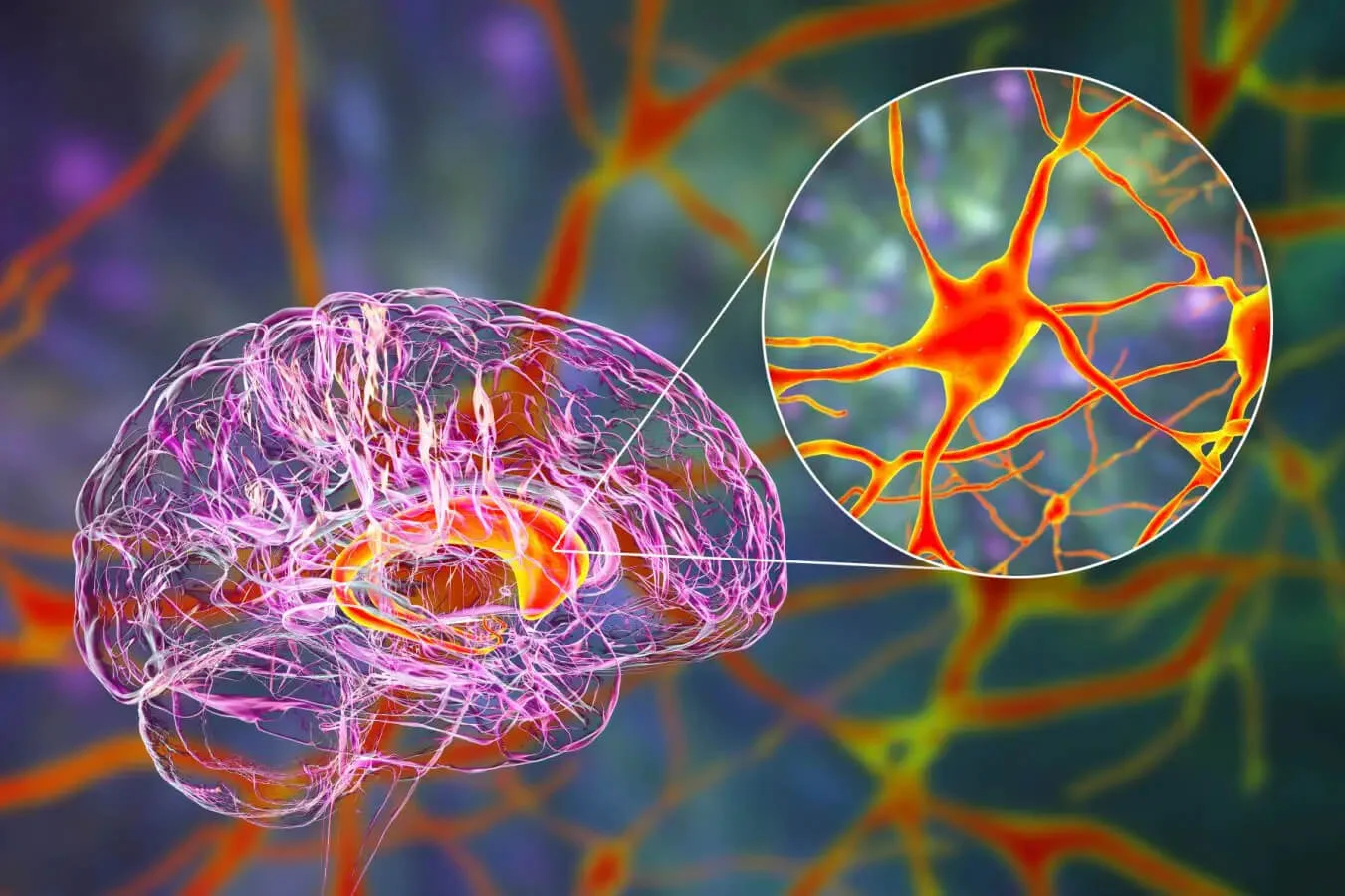
Receiving a diagnosis of Huntington’s disease can be an overwhelming and life-altering moment, not just for the individual, but for their entire family. This rare, inherited neurodegenerative disorder progressively affects nerve cells in the brain, leading to a decline in motor, cognitive, and psychiatric abilities. While the journey ahead may seem daunting, understanding the disease is the first crucial step toward managing its impact and living a fulfilling life. This comprehensive guide aims to shed light on what Huntington’s disease is, how it manifests, how it’s diagnosed, and what support systems are available, offering clarity and hope for those navigating a new diagnosis.
Table of Contents
Understanding Huntington’s Disease: The Basics
At its core, Huntington’s disease (HD) is a progressive brain disorder caused by a defective gene. This genetic flaw leads to the degeneration of nerve cells in specific areas of the brain, most notably the basal ganglia, which play a critical role in controlling movement, emotion, and cognitive function. Unlike many other neurological conditions, HD is entirely genetic, meaning it is passed down from parent to child through a dominant inheritance pattern. This key characteristic means that if a parent has HD, each child has a 50% chance of inheriting the defective gene and developing the disease.
The disease typically manifests in adulthood, often between the ages of 30 and 50, though juvenile forms and late-onset forms also exist. Its insidious onset means symptoms can be subtle at first, often mistaken for other conditions or simply attributed to stress or aging. Over time, these symptoms become more pronounced and debilitating, impacting every facet of a person’s life.
The progression is relentless, leading to a steady decline in physical and mental capabilities. While there is currently no cure for HD, significant advancements in symptomatic treatments and supportive care have greatly improved the quality of life for those affected. Understanding the fundamental nature of this neurodegenerative disorder is paramount for both patients and their families as they prepare for the challenges and seek the best possible care.
The Genetic Blueprint: How Huntington’s Disease is Inherited
The genetic basis of Huntington’s disease is one of its most defining and often most distressing aspects. HD is caused by a mutation in the huntingtin (HTT) gene, located on chromosome 4. This gene contains a segment of DNA known as a CAG repeat. In healthy individuals, the CAG segment is repeated 10 to 35 times.
However, in people with HD, this CAG segment is abnormally repeated 36 or more times. The higher the number of CAG repeats, the earlier the onset of symptoms and often the more severe the disease progression. For instance, individuals with very high repeat numbers (e.g., 60 or more) may develop juvenile Huntington’s disease, which presents earlier and progresses more rapidly.
HD follows an autosomal dominant inheritance pattern. This means only one copy of the defective gene is needed for a person to develop the disorder. If a parent has HD, there is a 50% chance that each of their children will inherit the mutated gene and eventually develop the disease. Conversely, if a child does not inherit the mutated gene, they will not develop HD and cannot pass it on to their own children. This clear genetic link allows for predictive genetic testing, which can determine whether an at-risk individual has inherited the expanded CAG repeat before symptoms appear.
This decision to undergo predictive testing is deeply personal and often involves extensive genetic counseling to explore the psychological, social, and practical implications of such knowledge. Understanding this genetic blueprint is crucial for family planning, emotional preparation, and informed decision-making for those with a family history of Huntington’s disease.
Recognizing the Symptoms: A Multi-faceted Challenge
The symptoms of Huntington’s disease are diverse and affect motor control, cognitive function, and psychiatric health. They typically emerge gradually and worsen over time, making early diagnosis challenging. Recognizing these varied symptoms is essential for prompt intervention and management.
Motor Symptoms
The most widely recognized motor symptom of HD is chorea, an involuntary, jerky, dance-like movement that can affect the face, trunk, and limbs. Initially, these movements might be subtle, appearing as fidgeting or restlessness, but they become more pronounced and disruptive as the disease progresses. Other motor symptoms include:
- Dystonia: Sustained muscle contractions that cause twisting and repetitive movements or abnormal fixed postures.
- Bradykinesia: Slowness of movement, making everyday tasks difficult.
- Impaired Gait and Balance: Leading to frequent falls and an unsteady walk.
- Speech Difficulties (Dysarthria): Slurred words, difficulty articulating thoughts.
- Swallowing Difficulties (Dysphagia): Which can lead to choking and aspiration pneumonia, a serious complication.
- Rigidity and Stiffness: Especially in the later stages of the disease.
These motor challenges significantly impact daily activities, from eating and dressing to walking and communicating, necessitating increasing levels of support and assistive devices.
Cognitive Symptoms
Cognitive decline is a pervasive and often early symptom of Huntington’s disease. It affects a person’s ability to think, reason, and remember. Common cognitive challenges include:
- Memory Impairment: Difficulty recalling recent events or learning new information.
- Executive Dysfunction: Problems with planning, organizing, prioritizing tasks, and decision-making.
- Difficulty with Problem-Solving: Struggling to adapt to new situations or find solutions.
- Reduced Processing Speed: Slower thought processes and delayed responses.
- Lack of Flexibility in Thought: Difficulty shifting focus or considering alternative perspectives.
- Attention Deficits: Trouble concentrating or maintaining focus.
These cognitive changes can affect work performance, social interactions, and the ability to manage personal finances or daily responsibilities, often before motor symptoms become obvious.
Psychiatric Symptoms
Psychiatric and behavioral changes are frequently among the first symptoms to appear and can be some of the most challenging aspects of Huntington’s disease for both patients and their families. These may include:
- Depression: A common and often severe symptom, sometimes preceding motor and cognitive changes by years.
- Anxiety: Feelings of worry, nervousness, or unease, often disproportionate to the situation.
- Irritability and Aggression: Outbursts of anger or frustration, sometimes without clear provocation.
- Obsessive-Compulsive Behavior: Repetitive thoughts or actions.
- Apathy: A lack of interest, enthusiasm, or concern, which can be mistaken for depression.
- Psychosis: Less common but can manifest as hallucinations or delusions.
- Impulsivity: Acting without forethought, which can lead to risky behaviors.
These psychiatric symptoms can profoundly affect relationships and overall quality of life, often requiring careful management with medication and therapeutic interventions.
Progression of Symptoms
The progression of Huntington’s disease is typically divided into early, middle, and late stages. In the early stage, symptoms are mild, and individuals can usually continue with their work and daily activities. Motor symptoms might include minor chorea or clumsiness, while cognitive changes might involve subtle difficulties with organization or decision-making. Psychiatric symptoms like depression or irritability may also begin to surface.
During the middle stage, symptoms become more pronounced. Chorea is more evident, and individuals may have increasing difficulty with voluntary movements, balance, and speech. Cognitive decline progresses, affecting memory and the ability to perform complex tasks. Psychiatric symptoms may intensify. At this stage, individuals often require assistance with certain daily tasks and may no longer be able to work.
In the late stage, individuals with HD require full-time care. Chorea may diminish, replaced by rigidity, dystonia, and severe bradykinesia, making voluntary movement extremely difficult. Swallowing becomes severely impaired, increasing the risk of aspiration. Communication is often severely limited, and cognitive function is significantly compromised. While individuals remain aware of their surroundings, they are largely dependent on others for all aspects of care. Understanding this progression helps families and caregivers anticipate needs and plan for future support.
Read also: Iryna Zarutska Murder: Ukrainian Refugee Death on US Train Ignites Political Firestorm
Diagnosis: Confirming Huntington’s Disease
Diagnosing Huntington’s disease typically involves a multi-faceted approach, combining a thorough medical history, neurological examination, and definitive genetic testing. For individuals presenting with symptoms suggestive of HD, a clinical diagnosis is often made before genetic confirmation.
The diagnostic process usually begins with a detailed neurological examination. A neurologist will assess motor function, looking for signs of chorea, dystonia, rigidity, and balance problems. They will also evaluate reflexes, muscle strength, and eye movements, which can be affected by HD. Cognitive assessments may involve tests of memory, problem-solving, and executive function to identify any subtle or overt cognitive decline. Psychiatric evaluation is also crucial, as mood and behavioral changes are often prominent features of the disease.
Brain imaging, such as an MRI or CT scan, may be performed to rule out other conditions that could cause similar symptoms and to observe characteristic changes in the brain associated with HD. While these scans don’t definitively diagnose HD, they can reveal atrophy in specific brain regions, particularly the caudate nuclei, which is consistent with the disease progression.
The definitive diagnosis of Huntington’s disease comes from genetic testing. A blood sample is taken, and DNA is analyzed to count the number of CAG repeats in the HTT gene. A repeat count of 36 or more confirms the presence of the expanded gene. For symptomatic individuals, this test provides a clear diagnosis. For at-risk individuals who are not yet showing symptoms, predictive genetic testing can determine if they carry the gene. This decision is complex and should always be accompanied by extensive genetic counseling to ensure individuals fully understand the implications of the results for themselves and their families.
Differential diagnosis is also an important part of the process. Because HD symptoms can overlap with other neurological or psychiatric conditions, doctors must rule out other possibilities such as Parkinson’s disease, Tourette’s syndrome, essential tremor, or certain psychiatric disorders before confirming an HD diagnosis. This careful and comprehensive approach ensures accuracy and provides the best foundation for managing the disease.
Living with Huntington’s Disease: Management and Support
While there is no cure for Huntington’s disease, significant progress has been made in managing its symptoms and improving the quality of life for those affected. A multidisciplinary approach involving various healthcare professionals is essential to address the complex and evolving needs of individuals with HD.
Current Treatment Approaches
Treatment for Huntington’s disease focuses on symptomatic management. Medications can help control many of the motor and psychiatric symptoms:
- For Chorea: Drugs like tetrabenazine, deutetrabenazine, and valbenazine are approved to reduce involuntary movements.
- For Psychiatric Symptoms: Antidepressants, anxiolytics, mood stabilizers, and antipsychotics can help manage depression, anxiety, irritability, and psychosis.
- For Dystonia and Rigidity: Muscle relaxants or botulinum toxin injections may be used.
Beyond medication, various therapies play a crucial role:
- Physical Therapy: Helps maintain mobility, balance, coordination, and strength, reducing the risk of falls.
- Occupational Therapy: Focuses on adapting daily tasks and environments to maintain independence for as long as possible, suggesting assistive devices and strategies for eating, dressing, and personal care.
- Speech Therapy: Addresses dysarthria and dysphagia, improving communication and safe swallowing techniques, which is vital for preventing aspiration.
- Nutritional Support: Individuals with HD often experience significant weight loss due to constant movement and difficulty eating. A nutritionist can provide strategies for maintaining adequate caloric intake and hydration.
Regular follow-ups with neurologists and other specialists are crucial to adjust treatment plans as the disease progresses.
Read also: Breakthrough Gene Therapy Slows Huntington's Disease by 75%
Lifestyle Adjustments
Adopting certain lifestyle adjustments can significantly impact the quality of life for individuals with Huntington’s disease. Maintaining a structured daily routine can provide a sense of stability and reduce anxiety. Regular, moderate exercise, tailored to individual abilities, can help with motor control and mood. A well-balanced diet is essential, often requiring modifications in food texture or consistency to aid swallowing. Creating a safe home environment, by removing tripping hazards and installing grab bars, is critical to prevent falls. Engaging in mentally stimulating activities, within the individual’s cognitive capacity, can also be beneficial.
The Importance of Support Systems
No one should face Huntington’s disease alone. Strong support systems are invaluable. This includes immediate family and friends, who often become primary caregivers and emotional anchors. Joining HD support groups, either in person or online, provides a community where individuals and families can share experiences, coping strategies, and emotional support. Counseling or psychotherapy can also be beneficial for both patients and family members to process emotions, manage stress, and develop coping mechanisms. Organizations dedicated to HD provide resources, education, and advocacy.
Caregiver Support
Caregivers for individuals with Huntington’s disease face immense physical, emotional, and financial challenges. It is vital for caregivers to prioritize their own well-being to avoid burnout. This includes seeking respite care, joining caregiver support groups, maintaining their own social connections, and accessing professional counseling. Understanding the disease progression helps caregivers anticipate future needs and plan for long-term care management. Recognizing the signs of caregiver strain and seeking help early is crucial for sustaining their ability to provide care effectively and compassionately.
Research and Hope: The Future of Huntington’s Disease
Despite the challenges posed by Huntington’s disease, the landscape of research offers significant hope for the future. Scientists worldwide are relentlessly pursuing a deeper understanding of the disease’s mechanisms and developing innovative therapies aimed at slowing, stopping, or even reversing its progression.
One of the most promising avenues of research is focused on gene silencing or gene therapy. This approach aims to reduce or “silence” the production of the toxic huntingtin protein caused by the mutated HTT gene. Clinical trials are currently underway testing various methods, including antisense oligonucleotides (ASOs) and RNA interference (RNAi), which are designed to selectively block the production of the faulty protein. Early results from some of these trials have shown promise, demonstrating the ability to lower huntingtin protein levels in the brain, offering a glimmer of hope that a disease-modifying therapy could be within reach.
Beyond gene-silencing, other research areas include:
- Neuroprotective Strategies: Investigating compounds that protect brain cells from damage and degeneration.
- Stem Cell Therapy: Exploring the potential of replacing damaged brain cells with healthy ones.
- Targeting Other Pathways: Research into inflammation, metabolism, and other cellular processes that contribute to HD pathology.
- Biomarker Development: Identifying reliable markers in blood or cerebrospinal fluid that can track disease progression and measure the effectiveness of new treatments.
Clinical trials are a critical component of advancing HD research. These studies test the safety and efficacy of new drugs and therapies. Participation in clinical trials, for both symptomatic and pre-symptomatic individuals, is invaluable in accelerating the search for a cure. Organizations like the Huntington’s Disease Society of America (HDSA) and the Huntington’s Disease Association (HDA) play crucial roles in funding research, connecting patients with trials, and advocating for increased research efforts. The scientific community’s dedication, coupled with the courage of patients and families, fuels the optimism that a breakthrough in treating Huntington’s disease is not a matter of if, but when.
Conclusion
A diagnosis of Huntington’s disease marks the beginning of a challenging journey, but it is also a call to action for education, support, and proactive management. Understanding the genetic underpinnings, the diverse range of symptoms—motor, cognitive, and psychiatric—and the diagnostic process empowers individuals and families to navigate this complex condition. While there is currently no cure, effective symptomatic treatments, comprehensive therapies, and robust support systems can significantly enhance the quality of life for those living with HD.
The spirit of hope is strong within the Huntington’s disease community, driven by relentless research efforts and groundbreaking advancements in gene therapy and neuroprotection. Every step forward in understanding and treating HD brings us closer to a future where its devastating impact can be minimized or even eradicated. For anyone facing a new diagnosis, remember that you are not alone. Embrace the available resources, connect with support networks, and remain hopeful. With continued dedication and collaboration, a brighter future for individuals and families affected by Huntington’s disease is within reach.